On the morning of 13 July 1888, the iron square-rigger Star of Greece broke up on the reef at Port Willunga. Seventeen men died within sight of the shore while rescuers stood helpless on the cliffs. The wreck site is still there.
A ship leaving Port Adelaide
The Star of Greece was a fully-rigged iron sailing ship of 1,288 tons, built in Belfast in 1868. By the late 1880s she was one of the workhorses of the wheat trade between Australia and the British Isles - one of dozens of square-riggers running back and forth from Port Adelaide to London, loading South Australian wheat at the Port and returning a few months later with manufactured goods, machinery and migrants.
On the evening of 12 July 1888, she left Port Adelaide for Liverpool with 16,000 bags of wheat in her hold and a crew of 27. The barometer was already falling. The captain - a man named Harrowby - had been advised to wait for better weather, and reportedly considered doing so, but in the end he decided to proceed. The ship cleared the Port Adelaide breakwater and turned south down Gulf St Vincent into a rising winter storm.
The storm
The storm that hit the Star of Greece on the night of 12-13 July 1888 was one of the worst the Adelaide coast had seen in years. By midnight the wind was at gale force from the south-west and the seas were running 10 metres high. The Star of Greece was caught in the worst possible position - close to a lee shore, unable to claw out into open water against the wind.
For several hours she beat south down the gulf trying to make westing, but she was steadily being driven toward the cliffs of the Fleurieu coast. Just before dawn, somewhere off Port Willunga, she struck. The first impact tore a hole in her bow on a submerged outcrop of the Port Noarlunga-Willunga reef system. She held briefly, then the next big wave drove her further onto the reef and broke her back.
The rescue that wasn't
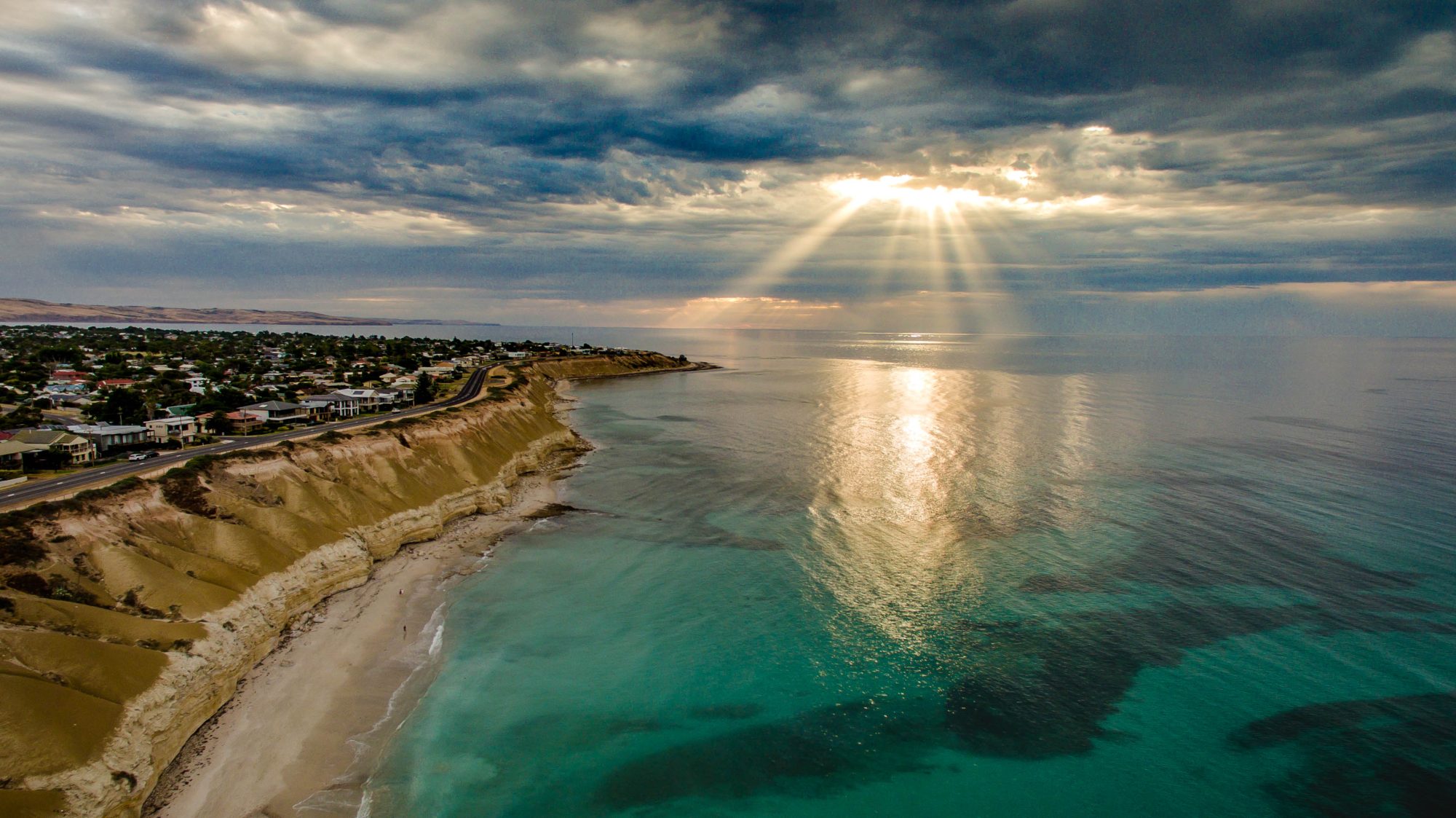
What followed is the part of the story that gives the Star of Greece its place in South Australian memory. The wreck happened in daylight, less than 200 metres from the beach, in plain view of the Port Willunga jetty. The townspeople of Port Willunga and Aldinga gathered on the cliffs above the wreck and watched.
There was no lifeboat at Port Willunga. The nearest lifeboat was at Glenelg, 40 kilometres up the coast, and could not be brought south through the storm in time. A locally-built whaleboat was launched from the Port Willunga jetty in an attempt at rescue but was driven back by the surf. A line was rigged from the cliff and several attempts were made to throw a rope across to the wreck. None succeeded - the seas were too high and the distance too great.
For several hours the crew of the Star of Greece clung to the rigging and the upper structures of the ship while the waves broke them apart piece by piece. Some men jumped and tried to swim. A few made it to shore. Most did not. Captain Harrowby was last seen lashed to the wheel. By midday the Star of Greece had broken in three. Seventeen of the 27 men aboard were dead.
The aftermath
The Star of Greece disaster horrified colonial South Australia. The fact that the wreck had happened in plain sight of helpless onlookers, that the rescue effort had been so visibly and completely inadequate, became a national scandal. Within weeks, the South Australian government had funded a chain of lifeboat stations along the coast - including a new lifeboat at Port Willunga itself, which would survive at the foot of the cliffs for decades afterward as a permanent memorial to the failure that had brought it into being.
The wreck of the Star of Greece is still on the reef. Most of it has long since rusted into the seabed but enough survives - parts of the iron frames, the anchor, scattered ballast - that it remains one of the most-dived wreck sites on the South Australian coast. Local divers know exactly where to find it, in 8 to 12 metres of water, almost directly offshore from the modern Star of Greece restaurant on the clifftop above.
That restaurant - one of the more famous on the Fleurieu - takes its name from the wreck. The original 1888 Port Willunga jetty, built to load grain and replaced after the disaster, is still partially standing as ruins on the beach below the restaurant. The pylons in the surf at sunset are the most photographed Fleurieu shot, and they are part of the same story.
Visiting
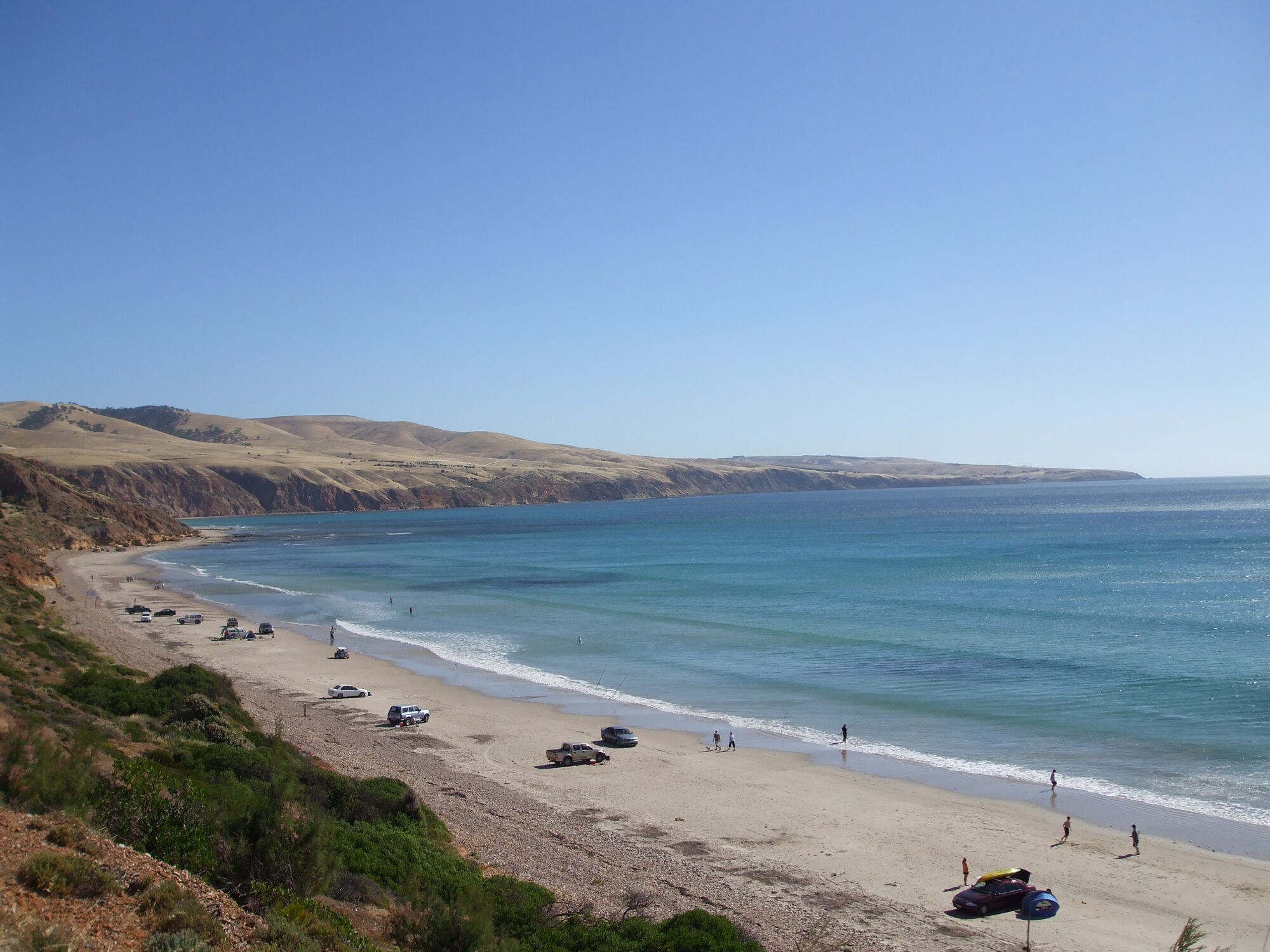
The Star of Greece restaurant on the cliff above Port Willunga is the closest thing to a memorial. The wreck itself is still on the reef and visible to divers, although the dive is for experienced operators only - the seas are unpredictable and the visibility is variable. The Port Willunga foreshore has interpretive signs telling the story for non-divers, and the cliffs above are the same vantage point from which the people of Port Willunga watched the ship break up in the dawn light of 13 July 1888.
It is a quiet beach now. Most days you would not know any of this happened.